alt.music.country.classic
Classic country music, pre-pop-crossover.
Hank Williams, Patsy Cline, Merle Haggard, the Bakersfield sound — a group defined as much by what it excluded (contemporary Nashville radio) as what it loved.
Reissue reviews and out-of-print record-hunting threads made it a collectors’ room as much as a fans’ one.
On this page
A room for the back catalogue
The years in which alt.music.country.classic was created and read were the years of country music's largest commercial boom. In the first half of the 1990s the genre moved into arenas and onto the pop charts; Garth Brooks sold records on a scale no country act had managed before, and radio consolidated around a format the trade called new country or hot country — current product, tightly rotated, pitched at listeners who might otherwise have been listening to pop. Country music had never been more successful, and had rarely been less interested in its own past.
For listeners whose country music was Hank Williams and Lefty Frizzell rather than the current chart, the boom was experienced mostly as displacement. Playlists built around the new sound had no slot for a 1952 honky-tonk side; the older repertoire survived on a scattering of oldies-styled stations, on public radio, and in record collections. Usenet's economics ran the other way: a newsgroup costs nothing to keep and nobody programmes it, so a room for the older music could simply exist, indefinitely, whether or not it drew an audience a sales department would recognise.
The alt.* hierarchy made the existence part easy — no Big Eight vote, just a proposal on alt.config and enough news administrators willing to carry the group; the mechanics are set out on the alt.* page. The Big Eight already had a country group, rec.music.country.western, whose story is told on its own page: it had to serve every era of the music at once, and in a boom decade that meant the present tense tended to win. alt.music.country.classic was the familiar alt.* manoeuvre — the minority interest within a broader group giving itself a room where it did not have to compete for attention. alt.music.* grew into a long shelf of such genre rooms, and this one occupied a well-worn niche on that shelf.
The name did most of the charter's work. 'Classic' announced an allegiance as much as a period; contemporary Nashville radio was not so much banned as beside the point. What remained was everything the format clock had dropped — which, by the 1990s, amounted to some six decades of recorded music.
Where 'classic' ended
The remit was an era as much as a genre, but the era's edges were soft. A university library guide that indexed the group glossed its subject as country music of the 1930s through the 1960s: a span running from western swing and the singing cowboys through honky-tonk to the string-sweetened productions of the Nashville Sound. That reading gives the group four decades of material and leaves the far border — where 'classic' shades into merely 'old' — conveniently undefended. A cut-off defined by style rather than date guaranteed the question would stay open, and a group named for an era inherits the argument about where the era ends as a permanent fixture.
The 1980s had made the borderline genuinely hard to draw. The neo-traditionalist wave — singers who put fiddle and steel guitar back on country radio in conscious homage to honky-tonk, western swing and the Bakersfield style — meant the newest records could be truer to the old sound than some of the old ones. George Strait and Randy Travis were chart acts of the present day; they were also, audibly, students of the canon the group existed to discuss. Whether faithfulness or vintage earned admission was exactly the sort of question the group's name invited rather than settled.
By the turn of the millennium the argument had gone respectable. 'Murder on Music Row', a 1999 song by Larry Cordle and Larry Shell lamenting what country-pop had done to the traditional sound, became famous soon afterwards as a duet between George Strait and Alan Jackson — two of the format's own headliners performing, in effect, the group's founding complaint from inside the citadel. Whatever one made of that, nobody could any longer claim the old-versus-new divide was a fringe obsession; Nashville itself had put it on record.
The canon the group tended
The figures at the group's centre are among the most thoroughly documented in American popular music, which set the terms of discussion: there was little biographical news to break, and a newsgroup adds nothing by summarising an encyclopaedia. What it could do was work through the recordings — sessions, versions, labels, the relative merits of periods within a career — and that is the register in which a room like this one operates. The short list below is the canon as any such group inherits it, with a note on what each figure left fans to argue about.
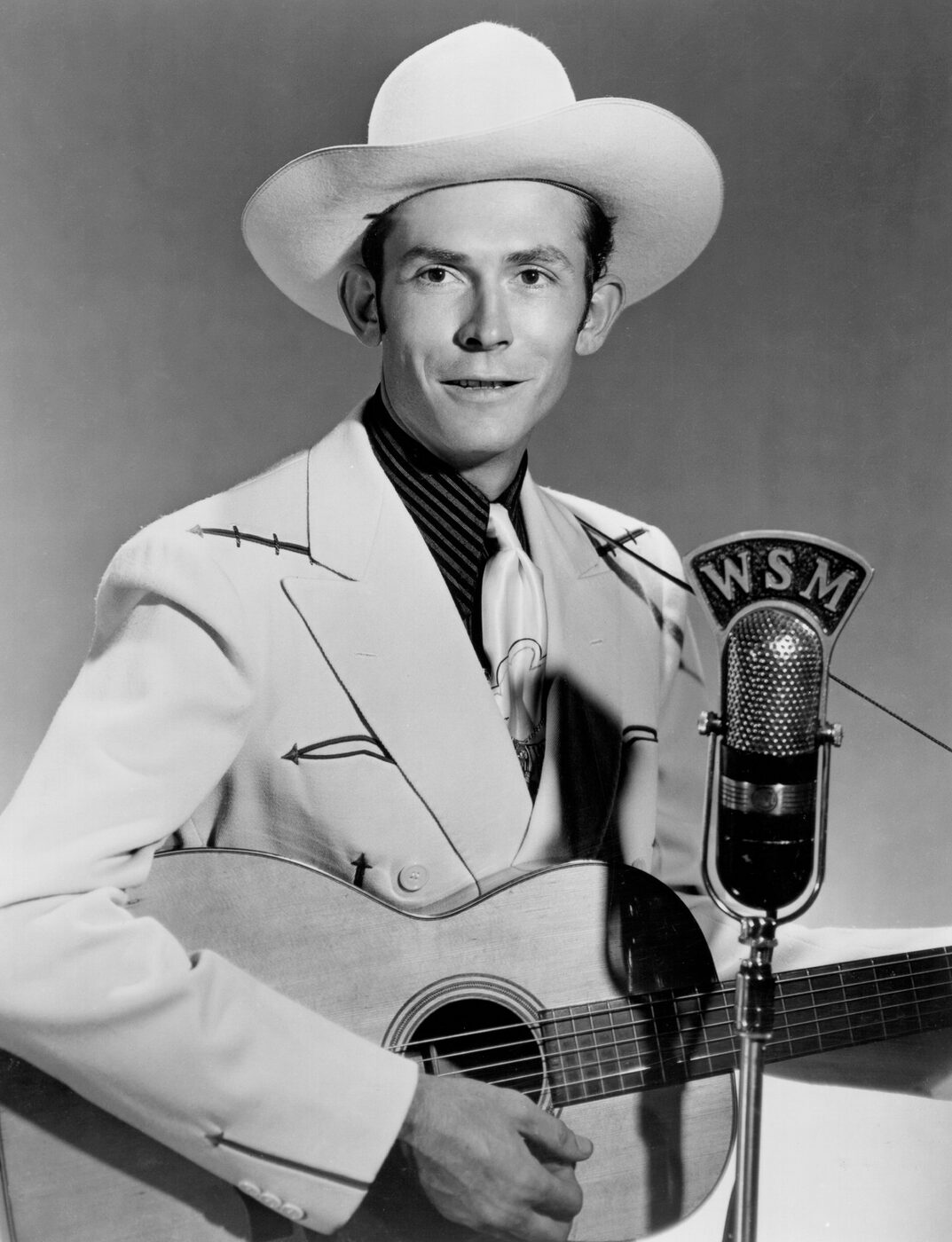

- Hank Williams — a recording career of barely six years, ended on New Year's Day 1953 at the age of twenty-nine, and therefore a body of work small enough to know completely: the rare canon where a serious fan could genuinely have heard everything, demos included.
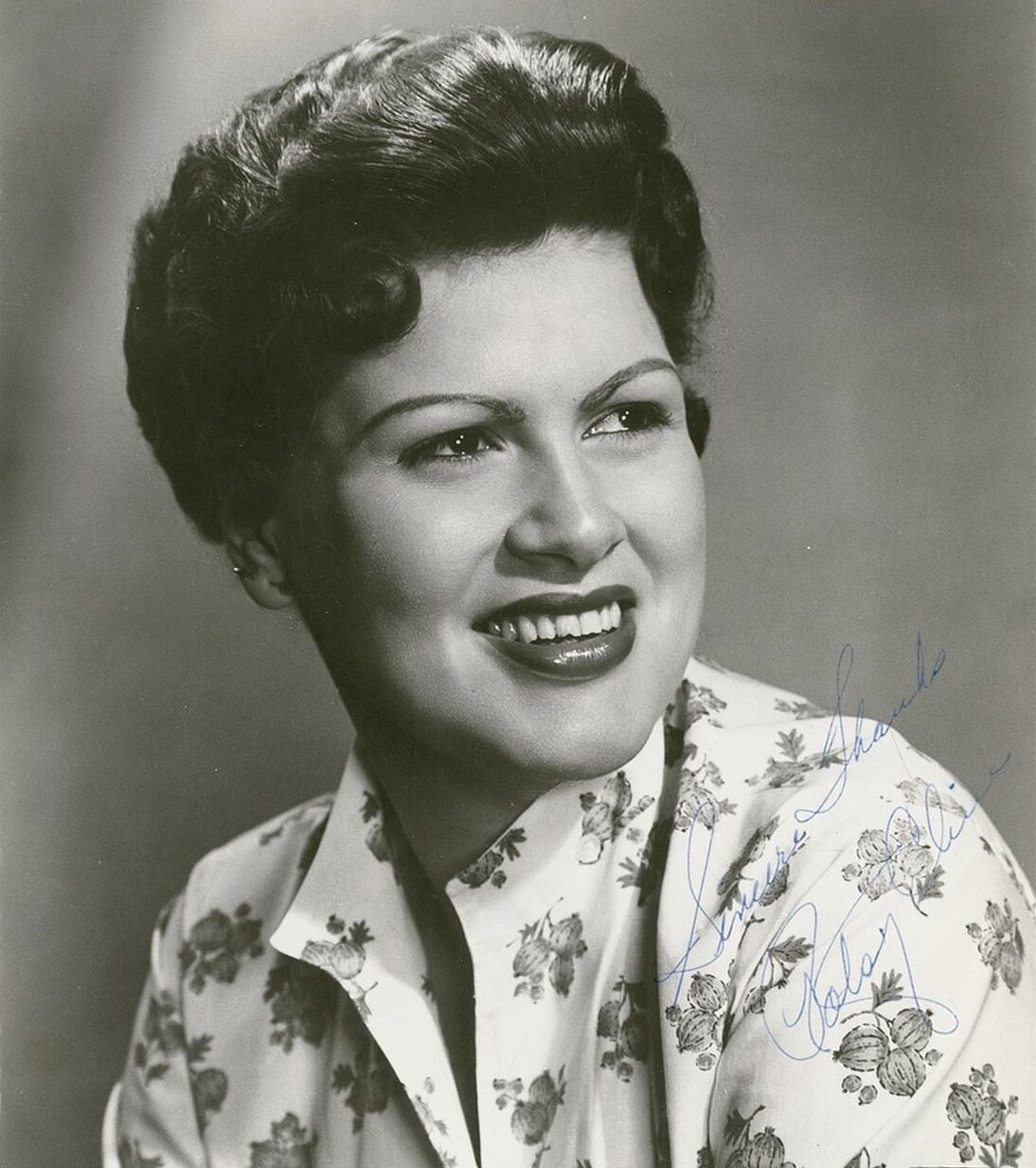
- Patsy Cline — killed in a plane crash in March 1963, and the standing test case in any argument about production, since her biggest records wrapped a honky-tonk voice in orchestrated Nashville Sound arrangements and succeeded on both sides of the pop divide.
- Johnny Cash — a career long enough to contain several distinct eras, from the Sun years and the train-like chug of the Tennessee Two to the prison albums and the late American recordings, which made 'which Cash?' a genuine question rather than a quip.
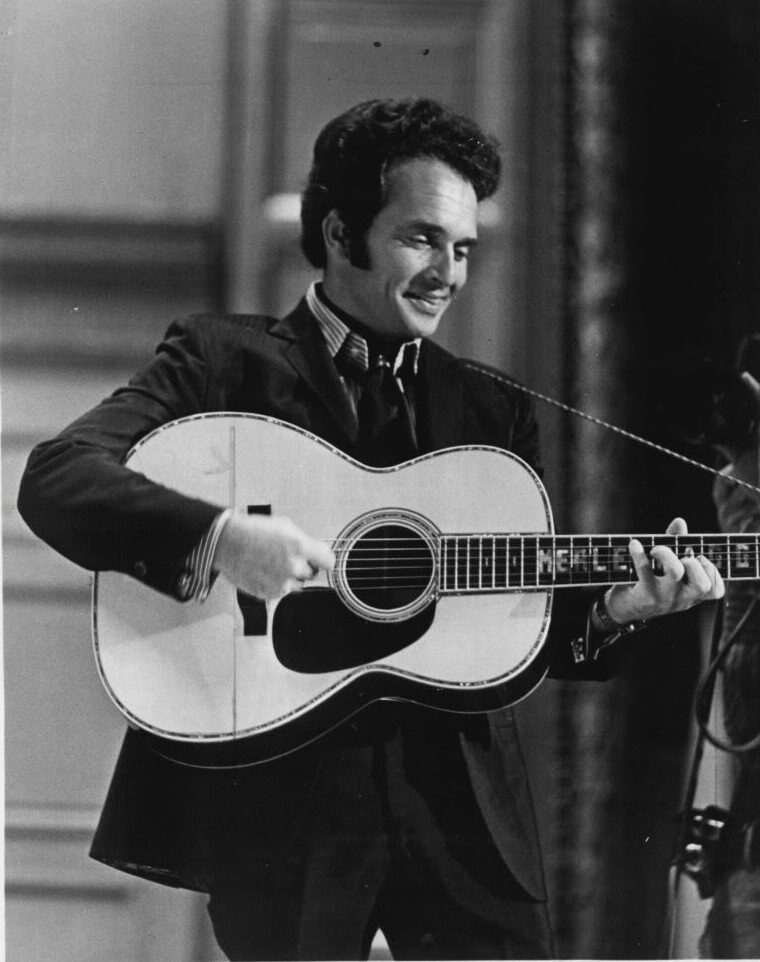
- Merle Haggard — the Bakersfield sound's central singer-songwriter, with thirty-eight country number ones spread across enough labels and decades to keep discographers occupied indefinitely.
- George Jones — frequently called the greatest living country singer for the last two decades of his life (he died in 2013), and the anchor of any thread about country singing as a craft rather than a repertoire.
- Loretta Lynn — the canon's great first-person songwriter, whose self-written hits carried subject matter country radio otherwise avoided, and one of the figures who kept the classic era a living presence longest, still recording new albums in the decade before her death in 2022.
Nor was the canon sealed. Cash's American Recordings, released in April 1994 on Rick Rubin's label of the same name, opened the most discussed late act in the music's history and put a core classic-country figure back into the review pages in the middle of the group's active life. A room devoted to the old music was never purely retrospective: its subjects kept being reissued, kept dying, and occasionally kept recording.
Honky-tonk against the Nashville Sound
The deepest argument the group inherited was already three decades old and belongs to documented musicological history. In the late 1950s, with country record sales badly damaged by rock and roll, Nashville's producers — Chet Atkins at RCA and Owen Bradley at Decca chief among them — rebuilt the music for the adult pop market: out went fiddle and steel guitar, in came string sections, smooth tempos and background vocal choruses. The result, the Nashville sound, rescued the industry's balance sheets and has been argued over ever since, on precisely the terms the group re-ran nightly: salvation or dilution, craft or capitulation.
The period's counter-movement armed the other side. The Bakersfield sound, built in California honky-tonks in the same years, kept the electric instrumentation and the backbeat the Nashville studios were sanding off; Buck Owens took it to twenty-one country number ones with the Buckaroos, and Merle Haggard made it a songwriter's idiom. For partisans of the harder style, Bakersfield was standing proof that the string sections had been a choice, not a necessity.
What made the argument inexhaustible on Usenet was that by the 1990s both sides were 'classic'. Patsy Cline's Bradley-produced crossover hits and Buck Owens's Bakersfield records sat inside the same remit, tended by the same group, and a reader could hold both allegiances at the cost of a little consistency. The old fight over what country music should sound like had quietly become a fight over what the group's own name meant — one reason the traffic never wanted for material.

Radio eras and the memory of the dial
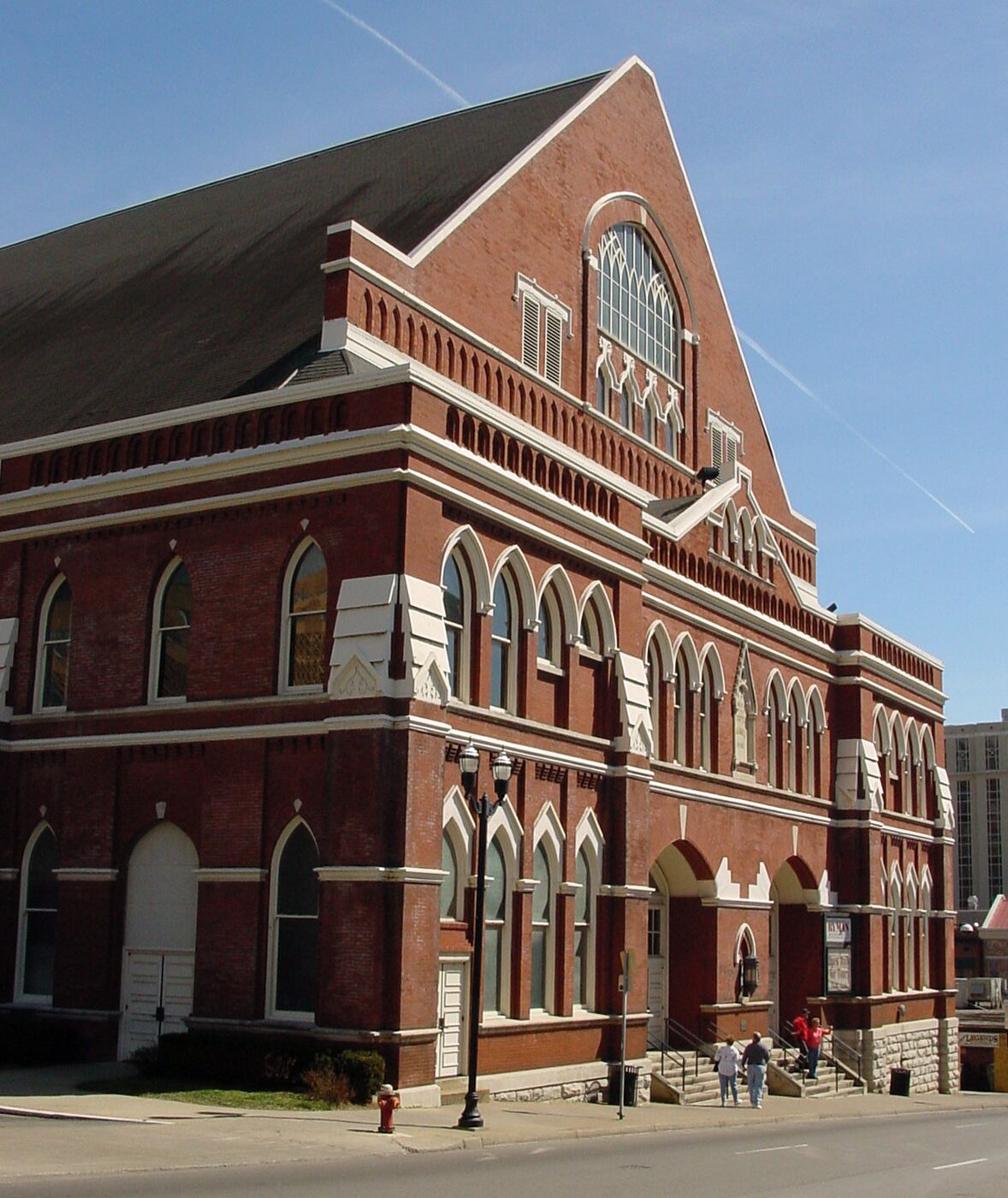
Classic country is inseparable from the radio programmes that made it, and radio memory belonged to this group's remit in a way it does not for most music groups. The Grand Ole Opry, founded in November 1925 on Nashville's WSM as the WSM Barn Dance and renamed two years later, is the longest-running radio broadcast in the United States, and its residence at the Ryman Auditorium — the programme's home from 1943 to 1974 — coincides almost exactly with the era the group was named for. WSM's clear-channel signal carried the show across much of the continent at night, which is why the memories the group traded in were never merely local ones.

The Opry had rivals, and the rivals had partisans. The Louisiana Hayride, broadcast from Shreveport on KWKH, spent its 1948–1960 heyday as the place where careers started before Nashville confirmed them — Hank Williams sang there on his way up — and the barn-dance format the two shows shared once stretched across the American dial. Most of those programmes died with network radio. Their audiences did not.
Hence a thread genre natural to a group of this description: radio nostalgia. Listeners who had grown up inside the barn-dance era were, by the 1990s, in their fifties and sixties, and newly equipped with a medium that let them compare memories across state lines — which station carried the Opry where you grew up, which announcer read which sponsor's advertisements, whose Saturday night it had been. The group could not restore the programmes; it could hold together the audience they had made.
The reissue shelf
The group's material culture was the compact disc. The 1990s were the peak of the CD reissue era, when decades of country catalogue — much of it out of print since the vinyl age — came back at once as labels mined their vaults for a format that made remastering both necessary and marketable. For the first time a listener could assemble the classic canon new and in print from a shop counter, and could therefore argue about which edition to buy.
The benchmark for the form was set by Germany's Bear Family Records, the reissue label founded in 1975 whose exhaustive box sets aimed at completeness — every take, every session, book-length notes included — and priced themselves accordingly. The American majors answered on their own scale: Mercury's The Complete Hank Williams of 1998 packed 225 tracks, 53 of them previously unreleased, onto ten discs, and demonstrated that even the most famous six-year career in the music still had unheard corners.
The reissue era also settled — or at least armed — an old grievance about how the catalogue had been treated in the interim. Before the CD boom, much of the classic repertoire circulated in compromised forms: budget compilations, rechannelled stereo, and posthumous overdubs, among them the string arrangements added to Hank Williams's recordings for MGM albums issued in the 1960s, more than a decade after his death. The 1998 Mercury box excluded the overdubbed versions, a curatorial decision of exactly the kind the group existed to debate: what a purist edition gained in fidelity, a completist one lost in takes.
Sorting this flood was exacting work, and a newsgroup of people who owned the originals was a natural place to do it in public. Which transfer used the right master, which 'complete' set was not, how a reissue's takes mapped onto the original singles, what an out-of-print pressing was worth and where one might still be found — questions of this kind are the documented lifeblood of collector newsgroups in every genre, and they supplied the traffic this group was known for. Discographical knowledge is cumulative and thrives on correction; Usenet's format, whatever its other failings, suited it exactly.
The rhythms of group life
No archive-derived statistics for the group are offered here, and its day-to-day texture is best described in the honest general terms that fit any group of its kind. The staple genres are well attested across the music hierarchies: the where-to-start thread, in which a newcomer facing a sixty-year catalogue asks for a first purchase and receives several incompatible canons in reply; the identification thread, reconstructing a half-remembered song from a fragment of lyric and a guess at the decade; the discography query, establishing what a given artist recorded for a given label and when, and whether any of it was currently in print.
Beneath these ran the group's standing argument — the boundary dispute already described — and its standing service, the pooling of expertise. A room like this one accumulates people who have spent decades with the music: listeners who heard the original broadcasts, collectors with shelves of 78s and 45s, and readers who arrived at the canon backwards, through the neo-traditionalists or through Cash's 1990s revival. The mixture was the point. Each cohort held pieces the others lacked, and the group's useful output — corrected discographies, located records, defensible starting points — depended on all of them being in the same room.
And the group kept a calendar, as any canon of mortal makers obliges its keepers to do. Appreciation threads did not have to wait for a death; but a death concentrated them, and the group's active years supplied more of those than any community could have wished.
A long decade of obituaries
The group's active years were the years the music's makers died, at a steady and eventually relentless pace. Conway Twitty died in June 1993 and Faron Young at the end of 1996; Tammy Wynette followed in April 1998, Chet Atkins — architect of the very Nashville Sound the group argued over — in 2001, and Waylon Jennings in February 2002. 2003 was the hardest year: June Carter Cash died in May and Johnny Cash four months later, in September. Buck Owens died in 2006 and Porter Wagoner in 2007; and past the group's active life the roll kept lengthening — George Jones in 2013, Merle Haggard in 2016 on his seventy-ninth birthday, Loretta Lynn in 2022 — until the living canon was, for practical purposes, gone.

The group's relationship to loss was layered by the canon's own chronology. For the first generation the grief was inherited: Hank Williams had been dead four decades and Patsy Cline three before the group existed, and their threads were commemoration, argued over anniversaries and reissues rather than news. The second and third generations died on the group's watch, and the difference shows in what such threads can do — an anniversary thread has all the time in the world, an obituary thread is written against the clock, while the wire-service copy is still short and the radio tributes are still on air.
Remembrance — obituary, appraisal, the weighing of a finished career — is a duty this kind of group performs for its subject, and it is the one thread genre in which a newsgroup briefly becomes what its name always implied: a community rather than a channel. An obituary thread gathers first reports, radio memories, favourite sides, disagreements about the late work and instructions on what to play first, roughly in that order. For a group whose remit was the past, each death also moved a border post: an artist who had been arguable — too recent, too pop, too alive — became, at a stroke, classic.
The neighbourhood
Usenet divided country music along the same fault lines as the music's historiography. rec.music.country.western took the whole field, and was old enough that songwriting discussion lived there before a dedicated group existed for it. rec.music.country.old-time covered the string-band repertoire of the 1920s and 1930s, distinguished from bluegrass by its fiddle tunings and frailed banjo and predating classic country's honky-tonk core. alt.music.bluegrass served the parallel tradition Bill Monroe built, and off Usenet entirely the BGRASS-L mailing list at the University of Kentucky completed the neighbourhood. alt.music.country.classic held the span between old-time and the modern charts — which is to say, the stretch most people mean when they speak of country's golden age.
In the same years a parallel revival was assembling elsewhere online. An America Online discussion folder named after Uncle Tupelo's album No Depression grew into the magazine of that name in 1995, house journal of what became alternative country — a label its adherents liked to style 'alt.country', the punctuation borrowed from Usenet's naming conventions. The newsgroup and the movement worked opposite ends of the same dissatisfaction with what country radio had become: one dug backwards into the catalogue, the other recorded new music in the old spirit. The hierarchy at least got credit for the full stop.
Pathfinders, decline and afterlife
That a university library guide should point students at a newsgroup about old country records is less odd than it looks. Country music has had scholarly standing since Bill C. Malone's Country Music, U.S.A. of 1968, the first full academic history of the field, and by the 1990s the study of Southern traditional music was an established library subject in need of living resources as well as printed ones. Library pathfinders to the field, compiled in the web's first decade, accordingly listed the group beside the bluegrass newsgroup and mailing list as a working resource — a place where a student could watch discographical knowledge being made and corrected in public, which no printed bibliography offers.
The listing outlived the traffic. By the time this gateway carried the group, in the early 2000s, general-discussion Usenet was past its peak, and the conversations that had filled the group dispersed to web forums, collector databases and, in time, social platforms — none of which kept the old music any less well, all of which kept it less publicly. The remit, meanwhile, needed no updating: the deaths recorded above were closing the living canon, and 'classic' no longer required defending against anybody.
What survives is what survives of Usenet generally: archived text, reachable through the usual services, in which the group's arguments — where the era ended, which master was right, what to play first — can still be read in the order they were made. Some of the library guides that indexed the group remain online with the listing intact. The traffic they pointed to has gone quiet; the pointer, as is the way of such things, has proved the more durable artefact.
Reading alt.music.country.classic today
- Historical archive: Google Groups — alt.music.country.classic (coverage varies by group and era).
- Open in a newsreader:
news:alt.music.country.classic— the original site offered exactly this link, and it still works if your system has a newsreader registered for thenews:scheme. - Live access: point an NNTP newsreader at a modern server — see accessing Usenet today.
- The original news2mail e-mail subscription service ended in the mid-2000s and no longer operates.